
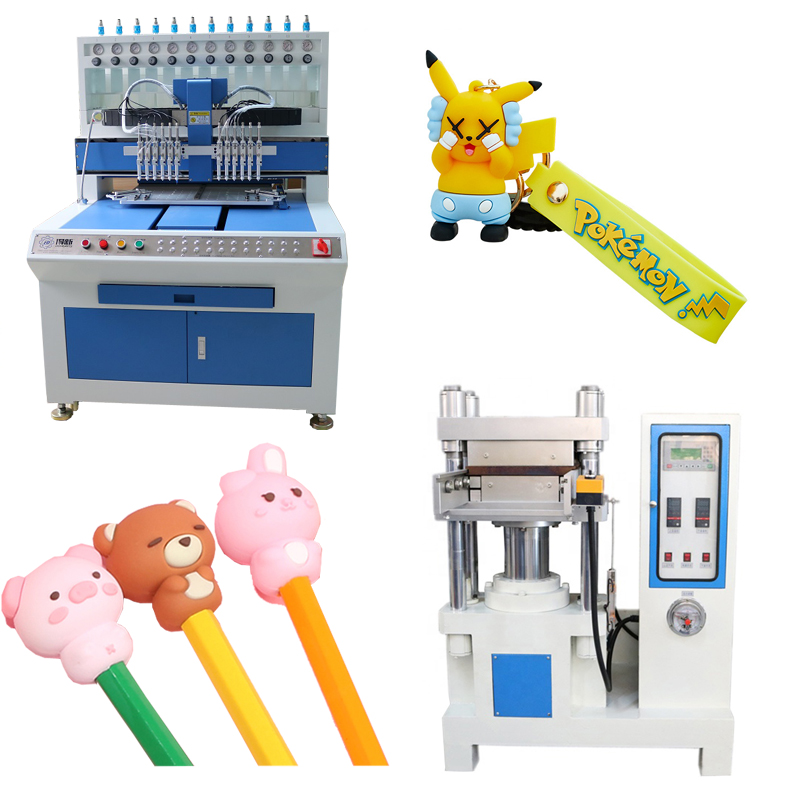
Silicone rubber soft doll keychains are beloved for their soft texture, vibrant colors, durability, and non-toxic properties, making them a top-selling decorative accessory worldwide. Producing these keychains efficiently and with consistent quality relies on two core pieces of industrial equipment: the silicone dispensing machine (for precise material injection) and the vulcanizing machine (for high-temperature curing and shaping). Below is a complete, step-by-step guide to manufacturing silicone soft doll keychains using these specialized machines, covering material preparation, automated molding, vulcanization, and final finishing.
Pre-Production Preparation: Materials & Tool Setup
Before starting the production line, gather all necessary raw materials and calibrate the equipment to ensure stable operation and flawless finished products.
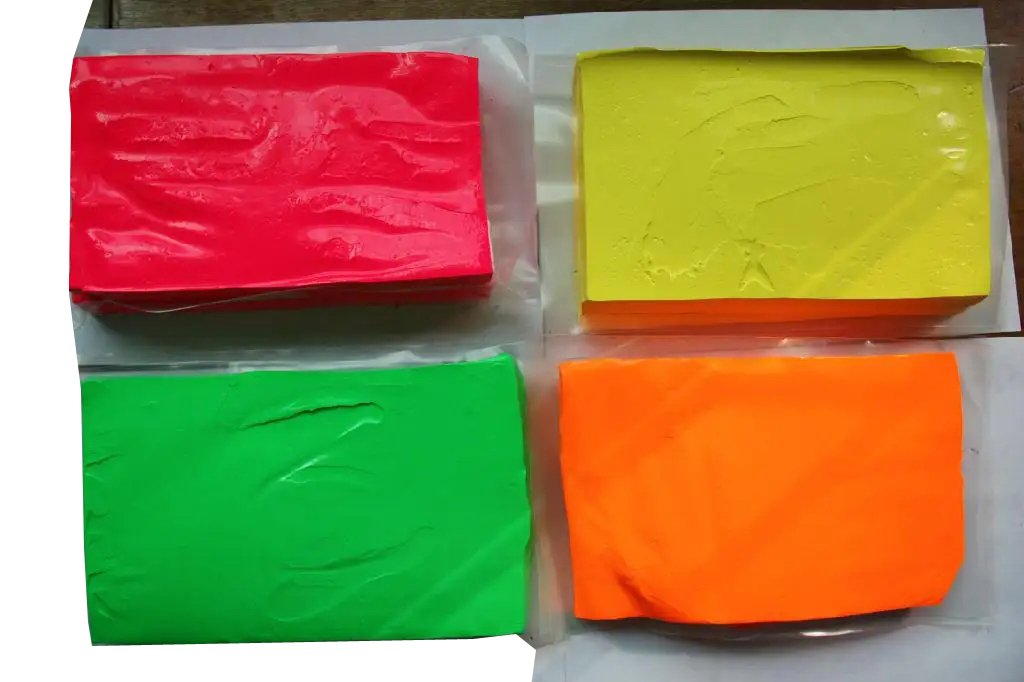
- Raw Materials: Food-grade or industrial-grade liquid silicone rubber (LSR, optimal for soft dolls), color masterbatch/pigments, curing catalyst, mold release agent, and keychain hardware (split rings, hanging loops).
- Equipment: Silicone dispensing machine (precision liquid injection type), plate vulcanizing machine (hot-press type), customized aluminum mold (with doll-shaped cavities), electronic scale, vacuum degassing chamber, trimming tools.
- Mold Preparation: Clean the mold thoroughly to remove dust and residual glue, apply a thin layer of mold release agent evenly, and preheat the mold slightly to improve silicone flow and demolding efficiency.
Step 1: Silicone Material Mixing & Degassing
The quality of the silicone mixture directly determines the softness, color uniformity, and structural integrity of the final keychain. Strict ratio control and degassing are critical to avoid air bubbles and incomplete curing.
- Weigh the base silicone rubber and curing catalyst according to the manufacturer’s recommended ratio (typically 1:1 or 10:1 for LSR). Use an electronic scale with 0.1g precision to avoid ratio deviations.
- Add a small amount of color masterbatch to the mixture and stir slowly and evenly for 3–5 minutes; avoid rapid stirring to prevent trapping air bubbles.
- Place the mixed silicone into a vacuum degassing chamber, run the chamber for 2–3 minutes to eliminate internal air bubbles. This step ensures the doll keychain has a smooth, blemish-free surface.
Step 2: Automated Dispensing with Silicone Dispensing Machine
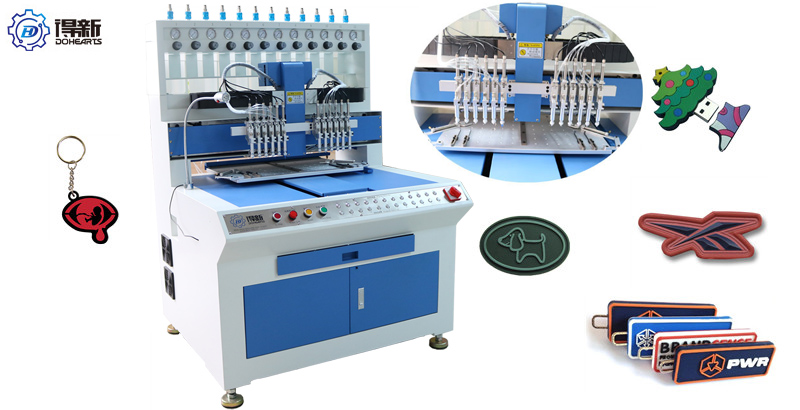
The silicone dispensing machine is the core equipment for precise molding, replacing manual pouring to achieve consistent glue volume, uniform distribution, and high production efficiency. It is especially suitable for complex soft doll shapes with fine details (e.g., facial features, limbs).
- Load the degassed liquid silicone into the dispensing machine’s material barrel, and set the dispensing parameters: glue output speed, injection volume, and dispensing path (programmed to match the doll mold cavity).
- Fix the preheated mold firmly on the dispensing machine’s workbench, align the dispensing needle with the mold’s glue inlet.
- Start the automated dispensing program: the machine injects the exact amount of silicone into each doll cavity slowly and steadily. The precision control of the dispensing machine ensures no over-injection, under-filling, or material waste, and maintains consistent size and shape for every keychain.
- After dispensing, gently close the mold and lock it tightly to prevent silicone overflow during the vulcanization process.
Pro Tip: For dual-color or multi-color soft doll keychains, use a multi-nozzle silicone dispensing machine to inject different colored silicones sequentially, creating layered and vivid doll designs.
Step 3: High-Temperature Vulcanization with Vulcanizing Machine
Vulcanization is the most critical stage of silicone keychain production. The vulcanizing machine applies controlled heat and pressure to trigger the cross-linking reaction of silicone molecules, transforming the viscous liquid silicone into a solid, elastic, and durable soft rubber product.
- Preheat the vulcanizing machine to the set temperature (150–180°C for standard LSR, adjust based on material specifications). Set the vulcanization time (8–15 minutes, depending on keychain thickness) and clamping pressure.
- Place the locked mold with silicone onto the heating plate of the vulcanizing machine, close the upper platen, and apply uniform pressure to compact the mold and ensure the silicone fills every detail of the doll cavity.
- Start the vulcanization timer: the machine maintains constant temperature and pressure throughout the process. This cross-linking reaction gives the silicone softness, elasticity, tear resistance, and shape stability—properties that make the doll keychain flexible and long-lasting.
- Once the vulcanization cycle ends, release the pressure and open the vulcanizing machine carefully to avoid scalding.
Step 4: Demolding & Post-Processing
After vulcanization, the silicone doll keychain is fully cured and ready for demolding and finishing to refine its appearance and functionality.
- Allow the mold to cool slightly for 1–2 minutes, then open the mold gently and demold the cured silicone soft doll. The high-quality vulcanization ensures the doll is easy to demold without deformation or damage.
- Trim excess flash (burrs) from the doll’s edges using small scissors or a trimming knife to create a smooth, clean outline.
- Punch a small hole at the top of the doll (if not pre-molded), install the hanging loop and split key ring to complete the basic assembly.
- Optional: For a glossy finish, perform a short post-curing process in a low-temperature oven to remove residual volatiles and enhance surface luster.
Step 5: Quality Inspection & Packaging
Conduct a full quality check on each finished silicone doll keychain to ensure compliance with standards:
- Check for appearance defects: air bubbles, color unevenness, deformation, or incomplete details.
- Test softness and elasticity: the doll should rebound quickly after pressing, no cracking or stickiness.
- Verify hardware assembly: the key ring and hanging loop are firm and not easy to fall off.
Qualified products can be packaged and shipped, while defective items are sorted out for rework or disposal.
Advantages of Using Silicone Dispensing & Vulcanizing Machines
- High Efficiency: Automated dispensing and batch vulcanization greatly improve production speed, suitable for small-batch and mass production.
- Consistent Quality: Precise parameter control eliminates human error, ensuring every keychain has uniform size, softness, and color.
- Wide Compatibility: Supports various silicone materials and complex doll designs, enabling personalized and multi-color customization.
- Cost-Effective: Reduces material waste and labor costs, while durable vulcanized products have a low defect rate.
Final Thoughts
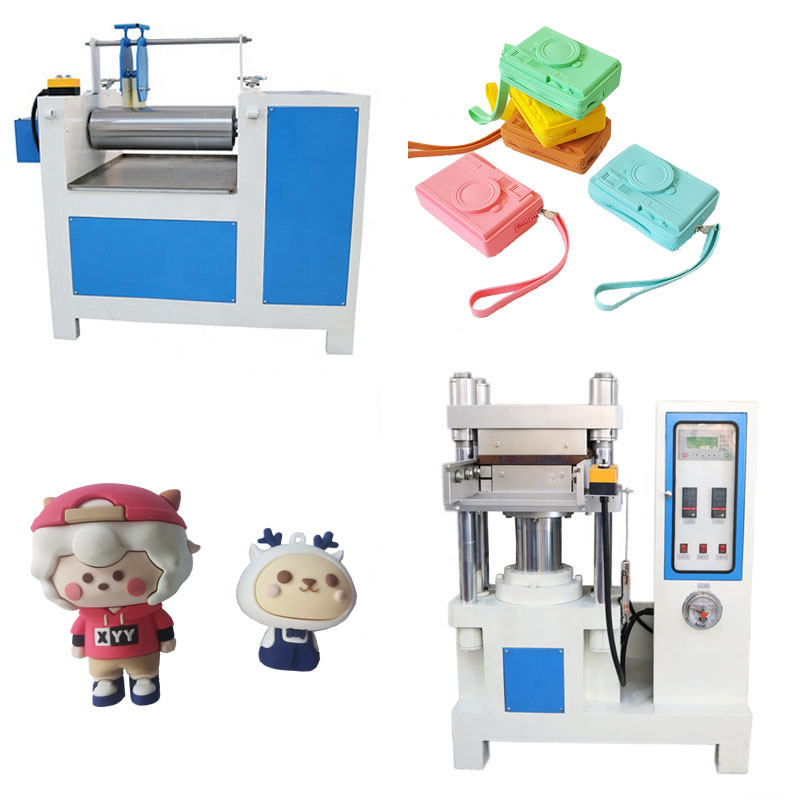
Producing silicone rubber soft doll keychains with a silicone dispensing machine and vulcanizing machine combines precision automation and professional curing technology, making it the ideal production method for high-quality, market-ready accessories. By optimizing material ratios, machine parameters, and process details, manufacturers can create soft, cute, and durable silicone doll keychains that meet consumer demands for both aesthetics and practicality.
Post time: Mar-18-2026